


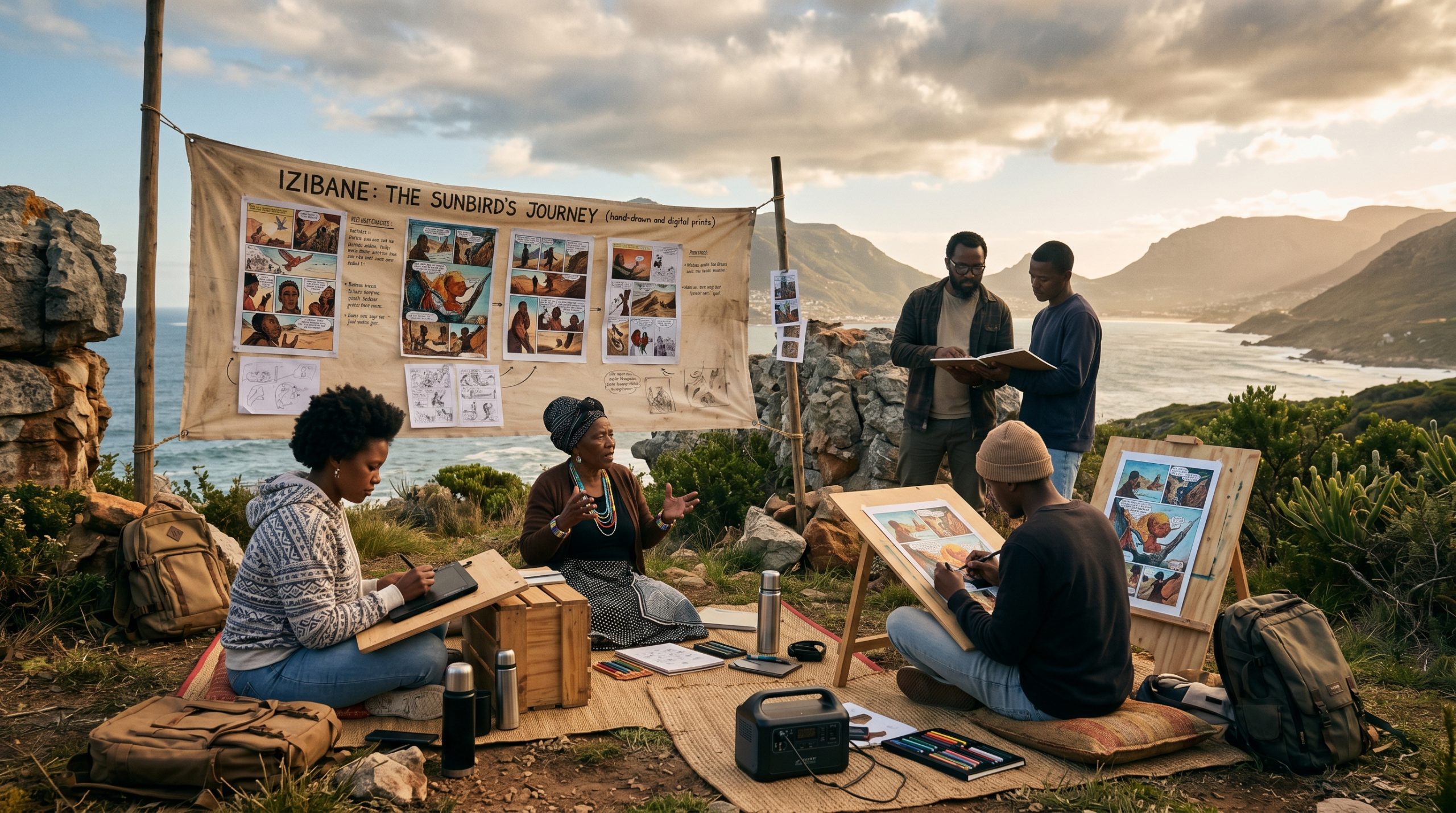
South Africa has a growing and increasingly diverse comic book publishing landscape that blends African storytelling traditions with modern graphic novel formats. While the market is smaller than the US or Europe, it is highly creative and culturally rich, offering strong opportunities for both emerging and professional comic writers.
The comic book publishers in South Africa ecosystem is shaped by indie publishers, educational imprints, digital-first platforms, and artist collectives. Many publishers actively support local voices, especially stories rooted in African history, mythology, social themes, and contemporary life.
For writers, this market is particularly valuable because it rewards originality, cultural authenticity, and strong visual storytelling rather than purely commercial formulas.
The Comic Publishing Landscape in South Africa
South Africa’s comic industry is still developing but has shown consistent growth over the past decade. It is heavily influenced by independent publishing, youth-focused storytelling, and educational comics used in schools and literacy programs.
Unlike highly commercial markets, South African publishers often focus on:
- Cultural storytelling and heritage themes
- Educational and socially relevant narratives
- Indie and experimental comic formats
- Youth and early-reader graphic novels
This makes the market especially accessible for new writers who want to break into the industry without facing extremely high entry barriers.
Why South Africa Is an Emerging Market for Comic Creators
South Africa is becoming an important creative hub for graphic storytelling in Africa due to increased investment in publishing, education, and digital media platforms. Comics are increasingly used in schools, public awareness campaigns, and cultural preservation projects.
Key advantages of this market include:
- Growing demand for African-authored comics
- Increasing use of comics in education and literacy programs
- Strong focus on cultural identity and storytelling
- Rising digital publishing and web-based comic platforms
This environment creates opportunities for writers who want to develop meaningful, socially relevant, and visually engaging narratives.
Top Comic Book Publishers in South Africa
Below is a structured list of key publishers, platforms, and creative networks involved in comic book publishing in South Africa.
1. Emerald Ghostwriting
Emerald Ghostwriting provides professional comic script development and storytelling support for writers who want to transform raw ideas into structured, publishable graphic narratives. It is especially valuable for authors who lack formal industry experience but want to enter the comic publishing space with professional-grade material.
The service focuses on concept refinement, character development, dialogue crafting, and panel-by-panel story structuring. This ensures that the final manuscript aligns with industry expectations used by publishers in South Africa and internationally. By improving narrative clarity and formatting quality, it helps creators present polished, submission-ready comic scripts that stand a higher chance of acceptance across both traditional and indie publishing platforms.
2. Karoo Press
Karoo Press is a South African publisher recognized for its focus on literary storytelling and illustrated narratives, including graphic novels and creative nonfiction comics. It prioritizes culturally grounded stories that reflect African identity, heritage, and contemporary social themes. The publisher is particularly interested in character-driven narratives that explore meaningful human experiences within South African contexts.
Karoo Press also supports emerging writers by providing editorial guidance and development opportunities. Its publishing approach blends artistic expression with literary quality, making it suitable for creators who want their comic work to carry both narrative depth and cultural significance within the South African publishing landscape.
3. New Africa Books (Graphic and Educational Imprints)
New Africa Books is a well-established South African publisher with a strong emphasis on educational and literacy-focused content. Its illustrated and comic-style publications are widely used in schools, libraries, and community learning programs. The publisher supports storytelling that is both engaging and instructional, especially for younger readers and educational audiences. It often focuses on themes such as literacy development, social awareness, and accessible learning through visual storytelling
By combining education with entertainment, New Africa Books plays an important role in promoting reading culture while offering opportunities for writers who specialize in structured, informative, and youth-oriented comic narratives.
4. Pan Macmillan South Africa (Illustrated Works Division)
Pan Macmillan South Africa operates as part of a global publishing network and produces a wide range of illustrated books and graphic storytelling projects. It is known for its high editorial standards, professional production quality, and strong commercial distribution capabilities. The publisher works across both fiction and nonfiction formats, including graphic novels designed for mainstream and international audiences.
Writers submitting to this imprint are expected to deliver polished, market-ready manuscripts with strong narrative structure and visual planning. It is particularly suited for creators aiming for professional recognition, bookstore distribution, and broader commercial visibility within and beyond South Africa.
5. Cover2Cover Books
Cover2Cover Books is a South African publisher dedicated to youth-focused storytelling, literacy development, and educational publishing. It specializes in illustrated narratives and graphic-style books designed to make reading more accessible and engaging for younger audiences. The publisher places strong emphasis on social impact, often supporting stories that address education, community development, and personal growth.
Cover2Cover Books is widely used in schools and reading programs, making it an important contributor to youth literacy initiatives. Writers who focus on simple, meaningful, and visually engaging storytelling often find this publisher well-aligned with their creative and educational objectives.
6. Ona Stories Collective
Ona Stories Collective is a creative storytelling platform that brings together African writers and illustrators to produce collaborative digital and print narratives. It is not a traditional publisher but functions as a creative ecosystem that encourages shared storytelling development. The collective focuses on socially relevant and culturally grounded narratives, often highlighting African perspectives and contemporary experiences.
Writers benefit from collaborative creative processes where visual artists and authors work closely together. This model supports experimental storytelling, digital-first publishing, and community-driven content creation, making it a valuable platform for creators seeking flexible and collaborative publishing opportunities.
7. Dikalo Studios
Dikalo Studios is a multimedia creative production company specializing in animation, comics, and visual storytelling. It supports narrative development across multiple formats, allowing writers to expand their stories beyond traditional print comics into animated and digital media. The studio collaborates with creators to develop visually rich storytelling projects that combine scriptwriting, illustration, and production design.
Writers working with Dikalo Studios often gain exposure to cross-media storytelling techniques, making it ideal for those interested in expanding their work into animation or digital entertainment industries alongside comic publishing.
8. Self-Publishing Platforms (KDP, Webtoon, Tapas)
Self-publishing platforms such as Amazon Kindle Direct Publishing (KDP), Webtoon, and Tapas have become increasingly important for South African comic creators seeking global reach. These platforms allow writers to publish comics directly without traditional gatekeeping, offering full control over content, pricing, and distribution.
KDP supports print-on-demand publishing, while Webtoon and Tapas focus on serialized digital storytelling with global audiences. These platforms are especially valuable for indie creators building early careers, testing audience response, and developing long-term readership. They provide scalable opportunities for both revenue generation and creative independence in the global comic market.
9. African Comic Creators Network
The African Comic Creators Network is a community-driven ecosystem that connects writers, illustrators, and publishers across the continent. Rather than functioning as a traditional publisher, it serves as a collaborative support system for creative professionals in the comic industry. It helps creators share opportunities, collaborate on projects, and gain visibility within the broader African storytelling landscape.
The network plays an important role in strengthening industry connections and encouraging cross-border collaboration. It is especially valuable for emerging creators looking to build professional relationships and access regional publishing opportunities.
10. Scholarly and Educational Publishers
Scholarly and educational publishers in South Africa produce illustrated and comic-style materials designed for academic and classroom use. These publishers focus on literacy development, curriculum support, and instructional storytelling. Their content often blends education with visual engagement, making complex subjects easier to understand for students.
Writers working with these publishers typically create structured, informative narratives that align with educational standards. This category is ideal for creators who specialize in instructional comics, children’s educational storytelling, or content designed to support formal learning environments across schools and educational institutions.
How Comic Publishers in South Africa Evaluate Submissions
South African comic publishers follow a structured evaluation process that balances creative storytelling with cultural, educational, and technical standards. Submissions are not judged on visuals alone; they are assessed as complete narrative products that must work both as literature and as visual storytelling.
Storytelling Clarity and Narrative Structure
One of the first elements publishers assess is storytelling clarity. A comic script must be easy to follow and logically structured from beginning to end. Editors look for a clear narrative arc that includes setup, conflict, development, and resolution without unnecessary complexity.
Because comics rely on visual translation, publishers also evaluate whether the story can be effectively converted into panels. Scenes must be visually understandable, and dialogue should support rather than overwhelm the artwork. Poor pacing, confusing transitions, or unclear scene direction often weaken a submission even if the core idea is strong.
Cultural Relevance and Local Authenticity
A major evaluation criterion in South Africa is cultural relevance. Publishers place strong emphasis on stories that reflect African identity, heritage, and lived experiences. This includes both traditional cultural elements and modern South African life.
Stories that incorporate authentic representation of communities, languages, or social environments tend to perform better in editorial review. Publishers value narratives that feel grounded in real contexts rather than generic or internationally repetitive themes.
This focus ensures that comics contribute meaningfully to local storytelling traditions and cultural preservation.
Educational and Social Value
Many South African publishers also evaluate comics based on their educational and social impact. Comics are frequently used in schools, literacy programs, and awareness campaigns, which increases the importance of meaningful content.
Editors often consider whether a story:
- Encourages learning or literacy development
- Addresses social issues such as identity, health, or community challenges
- Provides moral or developmental value for younger audiences
Even entertainment-focused comics are assessed for the messages they communicate and their potential influence on readers, especially children and young adults.
Originality and Creative Authenticity
Originality is a key deciding factor in the submission process. Publishers actively avoid repetitive or derivative concepts, especially those that closely mimic global superhero or fantasy trends without unique cultural adaptation.
Instead, they prioritize:
- Fresh narrative ideas
- Distinct creative voices
- Innovative storytelling approaches
- Authentic perspectives rooted in lived or cultural experience
Authenticity is especially important. Publishers look for writers who bring genuine insight into the themes they are exploring, rather than relying on generic or formulaic plots.
Professional Presentation and Script Quality
Finally, professional formatting and presentation play a crucial role in evaluation. Even strong creative concepts can be rejected if the submission is poorly structured or incomplete.
Publishers expect:
- Clearly formatted comic scripts
- Proper panel-by-panel breakdowns
- Consistent dialogue formatting
- Supporting visuals or sample artwork where possible
A polished submission demonstrates that the writer understands industry standards and is prepared for collaboration with illustrators, editors, and production teams.
Strong presentation significantly increases the likelihood of acceptance, as it reduces editorial workload and shows professional readiness. Comic publishers in South Africa evaluate submissions through a combination of creative, cultural, and technical criteria. Writers who focus on clarity, originality, cultural authenticity, and professional structure position themselves much more strongly in this competitive but opportunity-rich market.
FAQ: Comic Book Publishers in South Africa
Is the comic industry growing in South Africa?
Yes, especially in education, digital publishing, and indie storytelling.
Can beginners publish comics in South Africa?
Yes, particularly through indie collectives and self-publishing platforms.
Do South African publishers accept international writers?
Some do, especially those with educational or global distribution networks.
What genres are popular?
Cultural storytelling, educational comics, youth narratives, and social themes.
Final Thoughts
The landscape of comic book publishers in South Africa is creative, evolving, and deeply rooted in cultural storytelling. While still developing compared to global markets, it offers strong opportunities for writers who focus on originality, authenticity, and visual narrative strength.
For emerging and professional creators alike, South Africa provides a meaningful platform where comics are not just entertainment—they are also tools for education, identity, and cultural expression.


